The post Top 10 New Year's Resolutions for Your Health appeared first on lifesfouhealth.com.
]]>A few small changes add up over the course of a year. Even though you are busy, try to cook at home. When shopping, purchase more fruits and vegetables (fresh is always best). You may not have time to make a gourmet meal every night, but if you prepare meals ahead of time, then on busy evenings you only need to finish what you have started. One-dish meals like chili or stew are great for busy nights, especially if you have a crock-pot or instant pot. Challenge yourself with new recipes and new ingredients, and always have some 'veggie sticks' prepared for a quick snack. However, try to allow yourself one free meal a week to eat whatever you want.
Even though it is critical for your mental and physical health, exercise is one of the first things to be pushed aside. It doesn't have to be expensive, and walking is a low-impact exercise. Go skating or tobogganing with the kids (even if it is only your inner child). The trick is to pick something you enjoy doing and get moving! Have fun and enjoy the many health benefits that come along with exercise, including getting in better shape, improving your mood, stress, and energy levels, boosting your immune system and sleeping better at night.
A high sodium diet can lead to heart disease and stroke. Simply removing (or possibly hiding) the salt shaker can reduce the amount of sodium in your family's diet. Try seasoning foods with fresh herbs that are very flavorful and full of antioxidants, and if you do find salt a necessity, look for low sodium alternatives. With a larger focus on health in recent years, there are now many palatable alternatives available. Keep in mind that fast-food, tomato sauces and canned soups, etc are also high in sodium.
Most people lack fiber in their diet. Necessary for good health, fiber can help lower cholesterol and triglyceride levels, improve circulation, and reduce the risk of stroke and heart disease. Experts suggest a daily intake of 25-35g of fiber daily, but the typical diet only provides about half of that. Fiber supplements like Morphus Fiberus can help.
The health benefits of fish oil (DHA & EPA) cannot be overstated. Many clinical trials have shown that fish oil benefits nearly every body system, including mood. Plan to eat cold-water fish twice a week and/or take a good quality Omega-3 supplement.
Get a daily dose of Vitamin D. Having a Vitamin D deficiency may increase the risk of having a heart attack or stroke. Adequate Vitamin D also facilitates calcium absorption, vital to women throughout their lives, and has been linked to decreased cancer risk.
Replenish your probiotics daily. Necessary for good digestion and healthy intestines, make sure you include healthy snacks containing yogurt or kefir, both of which are full of live probiotics. Alternatively, take a good probiotic supplement. Probiotics must be taken daily to continually provide health benefits.
Everyone reminisces about old friends and wonders what happened to them. It is hard to keep connected when you are always on the go or can't see them in person. Don't live with what if's and regrets. Schedule one hour per week to write, email, phone or visit friends and family.
Take the time to recharge and rejuvenate. Try to devote 30 minutes every day to yourself and at least once a week make yourself the most important part of your life! Curl up with your favorite book or treat yourself to a movie, whatever you enjoy doing.
Set a date once a month to try something new. You could take a class in cooking or painting, try climbing, snowboarding, yoga, Pilates, or something as simple as a new ethnic restaurant. If variety is the spice of life, then spice it up and experience life!
These are some easy and fun resolutions to help encourage a healthy lifestyle in 2024. Whatever you resolve to do, make it a pleasant endeavor. Happy New Year!
The post Top 10 New Year's Resolutions for Your Health appeared first on lifesfouhealth.com.
]]>The post The Healing Power of Gratitude appeared first on lifesfouhealth.com.
]]>Each day presents itself with more to do and what seems like less time to accomplish it in. In fact, it’s rare today to find someone who isn’t struggling to balance time, money, work, and family, all while attempting to maintain their own needs, health and wellness.
We’re bombarded by stress from every direction, ranging from physical inactivity to constant anxiety about money, career, and relationships. Adding to the stress are all the toxic products we expose our body to through what we eat and drink because we don’t have time to prepare a healthy meal. Eventually, our stressful life leads to physical, mental, and emotional imbalances.
An estimated 90 percent of all doctor visits are for stress-related aliments. Evidence shows that today’s biggest health challenges are cardiovascular disease, cancer, diabetes, and obesity – all conditions that are often linked to living in a state of constant stress. This constant stress and lack of balance will almost certainly lead to some form of pain or physical condition for which we need to seek medical advice. In this way, pain can actually be a blessing because it creates awareness that our body is out of balance and needs a change.
Read more about stress symptoms
Thankfully, stress is not so much a result of what is going on in our life as it is about how we perceive those things. The beauty here is we have some control over how we perceive the world around us. Many highly-effective modalities exist to help bring balance back to the body. We can seek to balance the nervous system through chiropractic adjustments, the meridians through acupuncture, or the blood chemistry using nutritional supplements, herbs, and homeopathic remedies. Exercise and mindfulness are also effective ways to return balance to the body, thus restoring health physically, mentally, and emotionally.
But one of the most powerful ways to return balance to the body is through the constant practice of gratitude. By beginning to see everything in our life as a blessing and learning to become grateful not only for the wonderful things in our life, but also the most challenging, we can begin to dissolve the “charge” associated with a stressful situation. Changing worry to gratitude dramatically affects the way our body responds to stress.
Robert Emmons, Ph.D., and professor at the University of California, Davis, has written the first major scientific study on gratitude, its causes, and potential impact on human health. In his work entitled Thanks! How the New Science of Gratitude Can Make You Happier. Dr. Emmons concluded that “grateful people experience higher levels of positive emotions such as joy, enthusiasm, love, happiness, and optimism, and the practice of gratitude as a discipline protects a person from the destructive impulses of envy, resentment, greed, and bitterness.”
Further benefits of practicing gratitude include an increased ability to cope with stress, a stronger immune function leading to quicker recovery from illness, and an increased feeling of connectedness, which helps to improve relationships.
Read more about blood sugar and marital arguments
Love and gratitude are two of the most powerful of healers. By looking for the blessings in every person and event in our life, we will begin to dissolve feelings of fear and guilt, bringing more ease and well-being to our body and mind.
In his book The Gratitude Effect, Dr. John Demartini recommends beginning and ending your day with a “gratitude” journal. Even spending just a few moments each day in a state of gratitude can have a transformational effect on our lives. Living this way helps us replace fear, anxiety and worry with joy, happiness, and peace, resulting in a healthier and more balanced body and mind. Let’s face it, stress is here to stay, so we must learn how to better adapt and respond to it.
Try spending a few moments a day practicing gratitude and see how your life can be transformed.
Photo Credit: marynbtol
The post The Healing Power of Gratitude appeared first on lifesfouhealth.com.
]]>The post Tai Chi: A Perfect New Year's Resolution appeared first on lifesfouhealth.com.
]]>If you want to improve your balance and muscle strength, feel emotionally at peace, enjoy a different form of exercise, and experience lightness and sensuality, then tai chi is the path to take. If you have some physical limitations related to arthritis, back pain, heart disease, or other ailments or you are feeling anxious or depressed, tai chi can be the perfect fit.
Tai chi (also referred to as tai chi chu’an) was originally developed as a type of martial arts, but it has evolved into a series of gentle, focused movements that flow naturally from one to the other. The movements are done without pause so the body is constantly in motion but without stress or strain. The physical movements are teamed with deep breathing and meditation.
This flowing motion makes those who practice tai chi look like they are performing a beautiful, sensual dance. There are several different styles of tai chi, so you can learn to “dance” in a variety of ways. In fact, even people in wheelchairs can do a form of tai chi.
The studies regarding tai chi and balance have been done in older adults, but this benefit, I have found, can be enjoyed by all ages. If you want to stick to scientific studies, a newly published 20-year review of tai chi and balance seems to provide the best proof.
In this overview, which was conducted by experts at Emory University and two Veterans Administration facilities in Georgia, the authors evaluated the results of research done over two decades. They reported that tai chi “has been found to be effective in improving balance, reducing falls and fear of falling for older adults.” Going forward, they emphasized that continuing study to uncover exactly how tai chi is beneficial “may be the most important area of discovery in this field.”
My experience: I still use the techniques I learned in tai chi classes 4 years ago to maintain good balance.
Tai chi is a low-impact exercise that can improve musculoskeletal well-being by increasing body strength, including improving flexibility of the lower back. These benefits have been shown in a number of studies, including one that reported on 209 middle- to older-aged adults who participated in a 16-week tai chi program.
By the end of the study, the participants had experienced significant improvement in both upper and lower body strength, lower back flexibility, and overall health scores. The individuals in this study practiced the most common style of tai chi, Yang style, which is widely taught throughout the United States.
My experience: As a person with lower back pain, I found tai chi was beneficial and I can still do tai chi without any back pain.
The practice of tai chi can alter your emotional landscape. A recent review of 42 trials and studies of tai chi evaluated its impact on four different psychological well-being factors. The authors found positive outcomes regarding depression, general stress management, anxiety, and exercise self-efficacy among people who had various clinical conditions.
In fact, the psychological benefits of tai chi have been studied in people with heart failure, clinical depression, and fibromyalgia, all with promising results. Researchers generally are quick to point out, however, that more in depth investigation is needed.
My experience: Whenever I want to restore a sense of calm and stillness, I can count on tai chi to bring me there. Personally I believe it is a combination of the breathing, meditation, sense of control, and the sheer fluid motion.
Heart disease is the number one killer in the United States, and if you are free of this problem, that’s great. However, whether or not you have any form of cardiovascular disease, it’s a wise move to keep it at bay. Tai chi is a healthy practice that can help.
A recent report in Evidence Based Complementary and Alternative Medicine noted that “tai chi training has significant benefits for common cardiovascular risk factors, such as hypertension, diabetes mellitus, dyslipidemia [high cholesterol and/or triglycerides], poor exercise capacity, endothelial dysfunction, and depression.”
The reviewers went on to stress that the practice of tai chi is both safe and effective for people who have various cardiovascular conditions, including stroke, congestive heart failure, and heart attack. Naturally, if you have any type of heart condition or other health problem, you should always consult your healthcare provider before starting any type of exercise.
My experience: Fortunately, nothing personally, but I did meet quite a few people in my tai chi classes who had some form of heart condition.
It does not matter if you are six or 106 (I’m somewhere in between), incorporating the practice of tai chi into your lifestyle could be among the most successful (and enjoyable) healthy tips you ever followed.
Image: Ed-meister
The post Tai Chi: A Perfect New Year's Resolution appeared first on lifesfouhealth.com.
]]>The post Fatty Liver: What Is It and How Do You Get Rid of It Naturally appeared first on lifesfouhealth.com.
]]>Non-alcoholic fatty liver disease is a condition in which there is an accumulation of fat in your liver. This can lead to scarring of liver tissue, known as cirrhosis. Once 5 to 10 percent of the liver’s weight is fat, the condition is defined as hepatic (liver) steatosis. The ability of the liver to function decreases as the amount of fat increases.
Read about is fat better or worse than sugar when it comes to diabetes and obesity?
NAFLD can appear in three different forms.
The exact cause of the disease remains unknown. However, insulin resistance appears to play a role. Insulin is a hormone that helps cells take in glucose (sugar) from your blood and also helps the liver store excess glucose.
If you develop insulin resistance, it means your cells don’t take in the glucose they should, so too much fat is deposited in the liver. The result can be an inflamed liver and scarring.
Individuals who are most at risk for developing NAFLD are those who are overweight, sedentary, or who have diabetes, high cholesterol, or high triglycerides. Pregnancy, use of corticosteroids, poor nutrition, sudden weight loss, and use of certain cancer drugs are also risk factors.
Watch this video to learn more about regulating blood sugar:
Non-alcoholic fatty liver disease often doesn’t have any noticeable symptoms. However, when they are present, they can include:
If the disease progresses to cirrhosis, you may experience:
Diet and weight are two significant factors in NAFLD. If you are overweight, achieving a healthy weight is important. You also need to eliminate alcohol from your lifestyle.
Read about nine best foods for a healthy liver
Overall you want to reduce your unhealthy fat intake (e.g., saturated, trans fats) and lower your cholesterol. A largely plant-based diet, focusing on fresh fruits and vegetables, nuts, seeds, green tea, and whole grains, is highly recommended. Cold water fatty fish such as tuna, salmon, and herring are also recommended because of their high omega-3 content. It’s especially essential to include many foods rich in vitamins C and E, as these antioxidants help promote liver health.
Foods to avoid include sugar and sugary foods, foods high in salt, and foods high in saturated fat, such as red meat, processed meats, and dairy.
You can try these other natural ways to prevent or manage non-alcoholic fatty liver disease. Be sure to consult your healthcare provider before taking supplements or natural remedies.
If you are diligent about making lifestyle changes early in the disease, you may be able to reverse liver damage. Regular follow-ups with your healthcare provider and getting liver enzyme tests done routines are important for controlling the disease.
Non-alcoholic fatty liver disease can be managed with lifestyle changes. Be sure to consult your healthcare professional when taking natural steps to combat this disease.
The post Fatty Liver: What Is It and How Do You Get Rid of It Naturally appeared first on lifesfouhealth.com.
]]>The post Get In Shape By Bending Yourself Out Of Shape appeared first on lifesfouhealth.com.
]]>But with a bit of knowledge and preparation, you can ease into even the most challenging yoga poses and enjoy all of the benefits they offer. Here are our top tips for transitioning to a more advanced yoga practice.
The best way to get started with more challenging postures is to join a beginner’s yoga class. A good instructor will be able to show you proper form and alignment for each pose and provide corrective guidance if needed.
In addition to learning the basics of yoga, a beginner’s class will also allow you to learn modifications and variations of poses that can be tailored to your level. This way, you can start with the most basic pose version and gradually increase the challenge as your strength and flexibility improve.
If you’re having trouble with a particular pose or movement, don’t be afraid to ask for help. Many yoga studios offer private yoga sessions with a certified instructor, which can be very helpful in gaining the skills and confidence you need to move on to more advanced poses.
In addition, many experienced yogis are more than willing to offer advice and guidance if you ask. Don’t be afraid to reach out and get the help you need.
According to Matt Scarfo, NASM Certified Personal Trainer and Resident Training & Nutrition Expert at Liftvault, "If you’re able to get some hands-on guidance, that can be one of the best ways to ensure proper form and maximize progress."
In addition to attending yoga classes, you should also make time for regular practice at home. Doing this will allow you to work on poses and movements you struggle with within a supportive and comfortable environment.
In addition, practicing at home can help to deepen your understanding of the poses and increase your overall confidence in them because you can get familiar with them in your own time. You won't be rushing through a class or feel pressured to “keep up” with the group.
One of the more challenging aspects of transitioning to more advanced postures is staying patient with yourself. It can be tempting to try, and “force” your body into a pose or push past your physical limits to progress quickly.
But remember that yoga is a practice of self-discovery, and it’s essential to listen to your body and move at a comfortable and sustainable pace. Rome wasn’t built in a day, and neither is a yoga practice! You can eventually work your way up to more challenging postures with patience and regular practice.
One of the best ways to transition to more advanced postures is to use props. Blocks, blankets, straps, and bolsters are all beneficial in providing extra support and comfort, making it much easier to get into challenging poses.
These props also provide additional stability, which can be helpful when balancing in challenging poses. Don’t be afraid to use props – they’re great for easing into more advanced postures.
Taking your time means not rushing through a yoga practice. Instead of finishing as quickly as possible, focus on taking time and being mindful of each pose and movement.
By slowing down, you’ll have more time to warm up your body, practice proper alignment and form, and connect with each pose. Taking your time also allows you to gradually build strength, flexibility, and endurance – all of which are important for progressing to more advanced postures.
Something that many yoga students overlook is the importance of breathing deeply. Deep yogic breathing enables you to relax and focus on the present moment, which can be incredibly helpful in easing into challenging poses.
By taking slow, deep breaths, you’ll be able to keep your focus and energy while moving through each pose. Doing this will also help ensure that your body is properly warmed up and ready for more advanced postures. Breathing deeply can also help better manage the symptoms of delayed onset muscle soreness.
Part of breathing profoundly is listening to your body. Pay attention to how a pose or movement feels in your body and adjust accordingly. If a posture or movement doesn’t feel right, don’t be afraid to back off.
It’s better to take your time and practice with patience than to risk injuring yourself by pushing beyond your physical limits. By listening to your body and respecting its limits, you’ll be more likely to transition into advanced postures safely.
Getting caught up in trying to get the “perfect” pose or movement can be easy, but it’s important to remember that yoga is a practice of self-discovery and exploration. Don’t put too much pressure on yourself to “get it right” – relax and enjoy the process.
Approaching your yoga practice with curiosity and openness means you’ll be more likely to transition into advanced postures gradually. Doing this can also help reduce anxiety or fear of failure, leading to a deeper connection with your practice.
Finally, and maybe most importantly, stay positive! Yoga is a beautiful practice with profound physical and emotional benefits, but it’s important to remember that it’s also a challenge.
When transitioning into more advanced postures, it’s normal to feel frustrated or discouraged sometimes. So remember to stay positive and be kind to yourself – with the right attitude and a little patience, you’ll be able to ease into more advanced postures.
These tips can help you transition into more advanced yoga postures quickly and confidently. As with any new activity, practicing safely and listening to your body as you progress is essential. With a little bit of patience and dedication, you'll be able to reap the full benefits of a more advanced yoga practice.
In addition, as you transition into more advanced postures, remember to focus on breathing deeply and listening to your body. Taking the time to warm up properly, practicing with patience, and using props when necessary can help ease into these poses safely and help you reap the full benefits of a deeper yoga practice. With the right mindset and dedication, you’ll be able to reap the full benefits of these poses and reach your goals.
The post Get In Shape By Bending Yourself Out Of Shape appeared first on lifesfouhealth.com.
]]>The post How to Manage Blood Sugar Levels Naturally appeared first on lifesfouhealth.com.
]]>Clearly, a significant segment of the population has a problem with blood sugar levels, and we would like to explain how to help them manage it naturally.
Read about 4 diabetes symptoms to watch out for
Diabetes is a metabolic disease in which a person’s blood sugar (glucose) levels are elevated because of a lack of insulin or an inability of their own insulin to effectively transport glucose into the body’s cells, resulting in high blood sugar levels. Management of blood sugar levels typically involves attention to diet and exercise, and many people also take oral medications and/or insulin to maintain healthy blood glucose. Unfortunately, many people experience the consequences of long-term high sugar levels, including heart disease, stroke, amputation, blindness, and end-stage renal disease.
Fortunately, there are several effective non-drug options for managing blood sugar levels, some of which are supplements. Although you can take each of the following five ingredients separately, they are also conveniently available in a single supplement. Each substance provides blood sugar management benefits in its own way.
Read about aged garlic extract, AGE for a healthier you
Berberine has been called "nature's metformin" because it promotes insulin secretion and improves the body's insulin resistance.
Aged garlic extract results from fresh garlic that has been aged up to 20 months to produce an extract that is higher in antioxidants than fresh garlic. The extract also contains unique water-soluble organosulfur compounds, flavonoids, and other beneficial ingredients.
In a 2019 animal study, the researchers evaluated the impact of aged garlic extract on insulin resistance and fat accumulation/fatty liver disease. They found that the extract improved insulin resistance (making it easier for sugar to enter the body’s cells and thus help balance blood sugar levels) and abnormal fat accumulation, which also helps with diabetes. A previous study also showed that aged garlic extract effectively lowers blood glucose levels.
This herb is native to India and Sri Lanka. It has a long history in Ayurvedic and traditional Indian medicine as a treatment for diabetes, asthma, joint pain, obesity, and menstrual problems. Salacia contains compounds that appear to prevent the body from absorbing sugars.
In a study appearing in the Journal of Diabetes Research, experts did a double-blind crossover study involving 35 healthy volunteers. They were randomly assigned to take various doses of Salacia (200 mg, 300 mg, and 500 mg) and placebos. The use of Salacia was associated with significantly better insulin and glucose response.
Also known as bitter gourd, this vegetable gets more bitter the more it ripens. It has a history of being used to treat diabetes as well as toothaches and diarrhea. According to a 2022 meta-analysis and review of bitter melon for diabetes, the authors pointed out that based on the actions of various components of the vegetable and the existing data from animal studies, the extract has anti-diabetic properties. More research is needed to determine the safety and effectiveness of bitter melon in people.
Niacin, also known as vitamin B3, can help address issues common among people with diabetes, including high cholesterol. More specifically, diabetics often have too much low-density lipoprotein (LDL) cholesterol and triglycerides and not enough high-density lipoprotein (HDL) cholesterol. Research shows that niacin can help lower LDL and triglycerides and boost HDL. In the study, although niacin slightly increased blood sugar levels, it did not change blood sugar control during treatment.
This mineral has long been known for its ability to reduce insulin resistance and lower a person’s risk of type 2 diabetes and cardiovascular disease. Research has shown that chromium picolinate supplements, taking 200 to 1,000 micrograms daily, improve blood glucose control.
Blood sugar management is important for individuals with diabetes, but it also is a concern for anyone who is prediabetic and wants to avoid developing full-blown diabetes. Aged garlic extract, Salacia, bitter melon, niacin, and chromium picolinate are natural supplements that can help manage blood sugar levels. They are available in a single product for added convenience from Wakunaga.
The post How to Manage Blood Sugar Levels Naturally appeared first on lifesfouhealth.com.
]]>The post Bummed about Bunions? Tame Them Naturally appeared first on lifesfouhealth.com.
]]>A bunion is a painful bony protrusion or bump that forms on the inside of one or both feet at the joint of the big toe. It is sometimes referred to as hallux valgus, which is when the big toe shifts toward the smaller toes. The enlarged big toe joint is often inflamed and red, which is why the word “bunion” comes from the Greek word for turnip.
The big toe consists of two joints: the metatarsophalangeal joint (MTP), which is where the metatarsal (the first long bone in the foot) meets the phalanx (the first bone in the toe). Bunions form at the MTP joint.
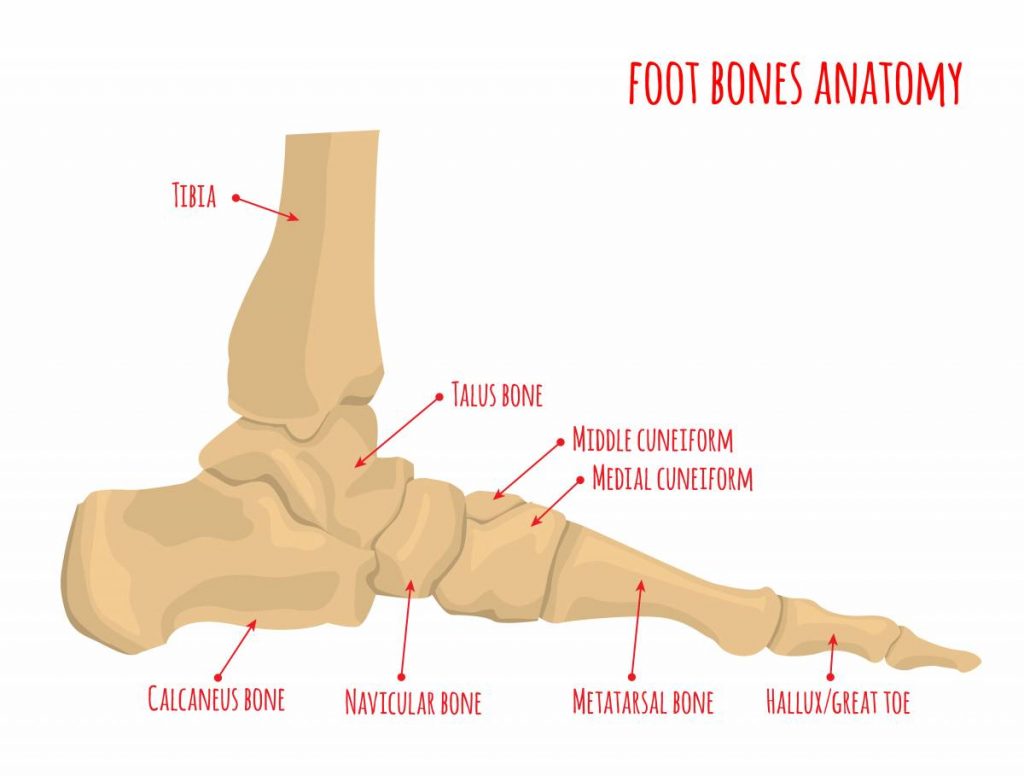
Bunions typically develop during adulthood and form slowly over time. As the normal position of the bones, ligaments, and tendons in the foot changes because of pressure from footwear (typically heels combined with a narrow toe box), the big toe shifts toward the second toe, resulting in a painful bump. As the bunion worsens, it can become more difficult to wear shoes or to walk.
Some people develop bunionettes, which can form at the base of the little toe. Similar to a bunion, it can be painful and have a callus or hard corn over the bump.
Read about treat your feet with aloe vera
Bunions have a genetic aspect, as about 70 percent of people with a bunion have a family history of this foot condition. Women are more likely than men to develop bunions, which may not be surprising since shoes with high heels and/or narrow toe boxes are commonly found in women’s closets and are a cause of this foot problem.
However, bunions can also develop in men and teenagers, especially in young girls between the ages of 10 and 15. Known as adolescent bunions, they are typically painful and can make it challenging to wear shoes, but big toe movement up and down is usually not restricted as it is in adult bunions.
Along with heredity and wearing shoes that force your toes into an unnatural position, some medical conditions can cause or increase the risk of developing bunions. They include rheumatoid arthritis, polio, or a neuromuscular condition such as cerebral palsy, multiple sclerosis, or Charcot-Marie-Tooth disease.
Symptoms of bunions can include tenderness, pain, inflammation, redness, corns, calluses, and restricted big toe motion, which may result in trouble walking.
The majority of bunions can be managed naturally by adopting a few lifestyle changes. Although nonsurgical methods will not eliminate bunions, they can significantly reduce pain and slow or stop the progression of the condition.
If you have bunions, try these natural ways to manage this foot condition. By changing a few habits and perhaps a few pairs of shoes, you can have happier, healthier feet.
The post Bummed about Bunions? Tame Them Naturally appeared first on lifesfouhealth.com.
]]>The post L-theanine For Stress, Sleep, Mood, Focus appeared first on lifesfouhealth.com.
]]>L-theanine is an amino acid found in both black and green teas as well as some species of mushrooms. Research has shown that L-theanine, whether from food or supplement form, has an ability to help reduce stress and help with related factors such as focus, sleep, brain health, and mood.
Read about the wonders and benefits of black tea
More specifically, L-theanine is able to cross the blood-brain barrier, allowing it to have various effects on the brain. For example, it can impact the activity of neurotransmitters, including those that affect mood (serotonin, dopamine). L-theanine can also alter alpha brain waves and bind to glutamate receptors. All of these abilities of L-theanine have an impact on stress in one form or another.
Managing and reducing stress can provide significant health benefits because unmanaged stress is at the core of many health problems and diseases. In a review of five controlled trials that involved 104 participants, L-theanine was linked with reduced stress and anxiety in four of the trials.
In a study of individuals with schizophrenia or schizoaffective disorder, L-theanine (400 mg/d) was given for eight weeks in addition to the patients’ antipsychotic medication. Compared with placebo, the use of L-theanine was associated with a reduction in anxiety.
Do you get enough quality sleep? Many people don’t, and unmanaged stress is one of the most common reasons for poor sleep. L-theanine may help.
In a double-blind, placebo-controlled study, L-theanine (450-900 mg) or placebo was given to individuals with general anxiety disorder during an eight-week treatment period. Participants who took L-theanine reported “greater self-reported sleep satisfaction than placebo,” although the supplement did not perform better than the placebo for anxiety reduction.
Read about the best teas for brain health
Who doesn’t want better brain health and cognitive function? Could L-theanine help? Some research suggests it can. In a study of individuals with major depressive disorder, 250 mg of L-theanine was added to their current medication treatment for eight weeks. At the end of the study, the participants showed improvement in cognitive function, including verbal memory, executive function, and other factors.
In a review of the health benefits of L-theanine, experts reported that this amino acid appears to have neuroprotective effects, which can improve an individual’s mental health and brain function.
According to psychiatrist Daniel Amen, MD, who authored Change Your Brain, Change Your Life, L-theanine is a nutrient linked to helping with happiness. One reason, he says, is the research showing that L-theanine increases levels of serotonin, dopamine, and GABA (gamma-aminobutyric acid, a mood regulator). An improvement in mood can go hand-in-hand with better sleep and reduced stress and anxiety.
When L-theanine is taken along with caffeine, it may boost attention and the ability to focus. In one study, for example, individuals who took 97 mg of L-theanine and 40 mg of caffeine were better able to focus while doing complex tasks when compared with controls who took a placebo. The combination also reduced feelings of tiredness.
L-theanine is a safe and effective natural remedy to help manage stress and sleep problems associated with stress and anxiety, as well as improve brain function and focus. Enjoying a cup or two of green or black tea daily is a relaxing way to get L-theanine in your life, as are supplements.

The post L-theanine For Stress, Sleep, Mood, Focus appeared first on lifesfouhealth.com.
]]>The post How to Detox from Radiation with Food appeared first on lifesfouhealth.com.
]]>Radiation is the energy that travels through space and has the ability to penetrate various materials. Two types of radiation are non-ionizing, such as radio waves, microwaves, and light. The other type, ionizing radiation, is so named because it can produce charged particles (unstable atoms) called ions in matter, including the human body. Unstable atoms have excess energy, mass, or both, and can cause cells to die, become damaged, or mutate and become cancerous. Ionizing radiation is the focus of our discussion.
Read about a natural radiation detox program
Radiation can destroy nutrients in the body, including vitamins, essential fatty acids, neurohormones, and calcium. When the body is deficient in calcium and other minerals, it more readily absorbs radioactive substances that are similar structurally to these nutrients. Therefore, it’s critical to avoid exposure to this threat.
According to the National Council on Radiation Protection and Measurements (NCRP), the average dose of radiation a person receives in one year in the United States is 6.2 millisieverts (620 millirems). A dose is the amount of radiation absorbed by the body.
Besides the sun, we are often exposed to other sources of radiation that we don’t think about. For example, did you know you are exposed to a small dose of ionizing radiation from radon, a radioactive gas that is emitted from water, soil, rocks, and building materials because of the natural breakdown of uranium in these items? When you buy a home, radon exposure is typically checked during a home inspection. The extent of exposure depends on several factors, such as altitude and the efficiency of your home ventilation system. You can put a radon detector in your home to keep track of your exposure.
Perhaps another source of radiation that comes to mind is from medical scanning. Generally, the proportion of radiation that you can get from medical sources, including diagnostic X-rays, CT scans, and radioactive compounds (radiopharmaceuticals) is 21 percent of our total exposure. However, in industrialized countries where there’s better access to medical imaging, the percentage can be as high as 50 percent.
If you are scheduled for X-rays, CT, or PET/CT scans, consider this. A chest x-ray exposes you to about 0.1 mSy while a mammogram provides 0.4 mSy. A CT scan, however, comes in at about 10 mSy for an abdominal scan while a PET/CT scan exposes you to about 25 mSy of radiation.
Here’s what happens. When the ionizing radiation passes through your body from X-rays or other sources, they cause electrons to be ejected, which leaves behind positive ions (free radicals). These positive ions can damage DNA and result in pre-cancerous or cancerous activity.
Other sources of radiation in the environment include flying, televisions, cell phones, smoke detectors, luminous watches, combustible fuels, ophthalmic glass used in eyeglasses, fluorescent lamp starters, and tobacco. You also may be exposed to nuclear power activity, such as uranium mining and processing, the fallout from nuclear weapons testing, and reactor accidents. The amount of radiation you could receive from flying from the east to the west coast (or vice versa) of the United States, for example, is less than that from one chest x-ray, or 0.035 mSy.
Read about detox the body of radiation naturally
Generally, you should always focus on fresh, organic foods whenever possible and avoid processed, sugary, and/or fatty foods, red meat, caffeine, and homogenized milk. More specifically, the following foods and nutrients can be beneficial when detoxing from radiation and balancing your body chemistry. It’s suggested you include these foods in your diet on a regular basis, and more so if and when you are exposed to additional (man-made) radiation.
Miso: This naturally fermented food made from soybeans, barley, or rice can help neutralize radiation and environmental pollution. Miso is also a great source of whole protein and aids digestion.
Fermented foods: Enjoy fermented foods such as yogurt, kefir, unprocessed cheeses, and unprocessed sauerkraut, which provide billions of friendly bacteria that can destroy harmful bacteria in your intestinal tract.
Cruciferous veggies: The vegetables in this classification contain substances that have antiradiation properties. Members of this class include broccoli, cabbage, turnips, Brussels sprouts, cauliflower, and kale, among others.
Sea vegetables and compounds: Certain sea vegetables and their compounds can help reduce the absorption of radiation or help protect against radiation. Kelp and agar can be especially beneficial. Dulse and kelp are both excellent sources of iodine, which can protect against radioactive iodine.
Teas: Both black tea and thyme tea can help protect against radiation. You can steep one tablespoon of thyme per 16 ounces of hot water for 20 minutes to make an anti-radiation tea.
Vitamin A/beta-carotene: When it comes to protecting the immune system, this vitamin has the ability to safeguard the thymus. Vitamin A/beta-carotene also produces antibodies and protects mucus membranes. Foods that contain natural vitamin A include apples, asparagus, avocado, barley, carob, grapes, leafy greens, lima beans, nuts, onions, oranges, pears, potatoes, sweet potatoes, tomatoes, unsprouted seeds, and yams.
Calcium and magnesium: These two minerals work together to strengthen bones and teeth, but they also have a role in radiation protection. Calcium, for example, may prevent precancerous cells from developing into cancer as well as protect against radioisotopes. Cruciferous vegetables, leafy greens, fish with bones (e.g., sardines), nuts, pumpkin seeds, soybeans, and fortified orange juice are good sources of these minerals.
Chlorophyll: Foods rich in chlorophyll or chlorophyll supplements can help clean, detoxify, and heal inflammatory conditions, suppress bacterial growth, and inhibit radiation and the activity of many cancer-causing substances. Barley grass as well as chlorophyll and chlorella supplements fit the bill. The former contains many essential nutrients, amino acids, essential fatty acids, and enzymes. Add them to a smoothie to disguise the flavor. Chlorella has more chlorophyll than barley, and it contains some higher levels of beta-carotene, the B vitamins, inositol, and vitamin C. You can get chlorella in pill form.
Vitamin C: Take vitamin C along with bioflavonoids (e.g., quercetin, rutin) to fight radiation and toxins. Foods rich in vitamin C include citrus, leafy greens, bell peppers, melons, tomatoes, and cruciferous vegetables.
Coenzyme Q10: Levels of this substances decline with age. Good food sources include spinach, fatty fish, cauliflower, legumes, oranges, and strawberries. Coenzyme Q10 protects against radiation and many chemicals.
Grape seed extract (Pycnogenol): This potent antioxidant belongs to a class called proanthocyanidins, which are helpful in counteracting radiation, pollution, and stress. It’s available as a supplement.
Vitamin E: This antioxidant can neutralize damaging free radicals and protect membranes. Nuts, sunflower seeds, leafy greens, avocadoes, almond oil, pine nuts, and salmon are good sources.
Zinc: This mineral is a friend of the thymus gland, which protects the immune system. You can find this mineral in oysters, pumpkin seeds, nuts, oatmeal, and legumes.
You can help reduce your exposure and side effects from radiation by choosing specific foods and nutrients. In addition, take steps to avoid radiation from the sources mentioned here as much as possible.
The post How to Detox from Radiation with Food appeared first on lifesfouhealth.com.
]]>The post Soil Depletion and What It Means To You appeared first on lifesfouhealth.com.
]]>Soil depletion is when the nutrients and other components that contribute to the vitality and fertility of soil are taken away and not replaced. You may think a handful of soil is little more than dirt, but it is often much more. In fact, a teaspoon of healthy soil can consist of more organisms than people living on the planet. According to Silvia Pressel, a researcher in the algae, fungi, and plants division at the National History Museum in London, soils can contain “millions of things people won’t be able to see like micro-organisms and all the fascinating work they do together.”
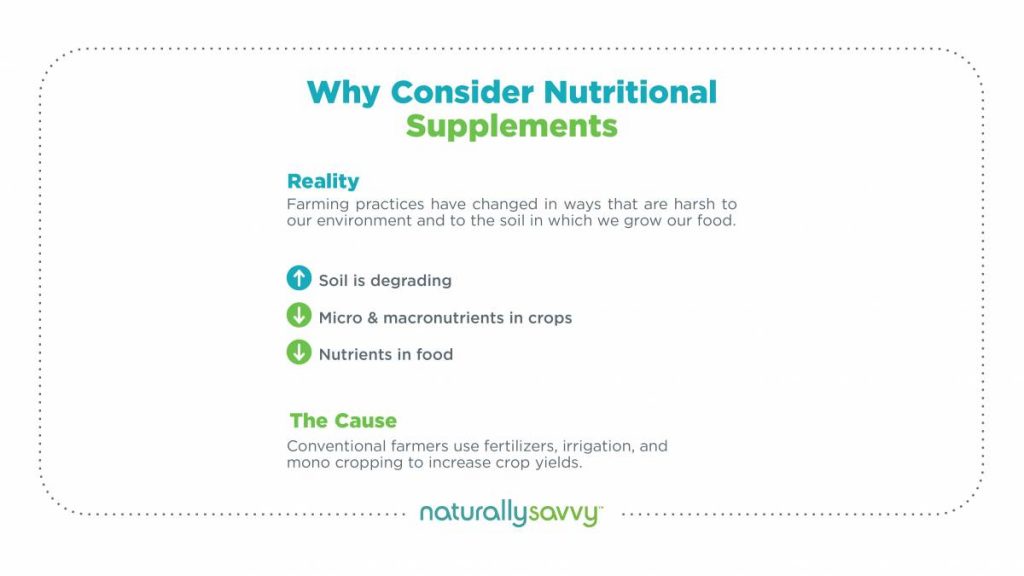
Depletion of soil can occur for a number of reasons, including soil erosion, excessive cultivation, and poor soil and agricultural management. The result is reduced crop yields and a loss of nutrients in the foods grown. More than 50 percent of agricultural land in the world has experienced some degree of soil deprivation.
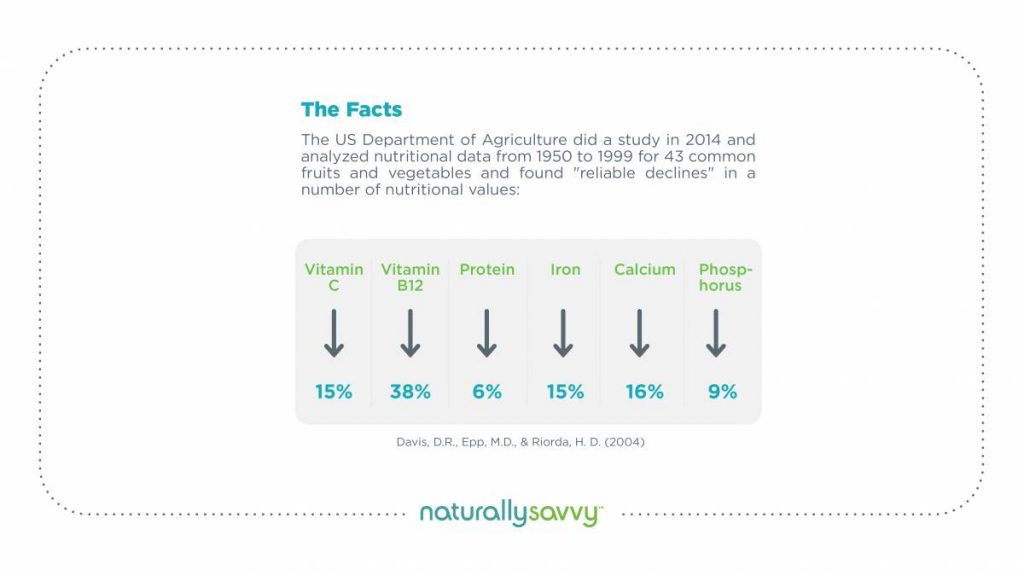
Based on data from a USDA study of 43 garden crops, a comparison of nutritional content in 1950 versus 1999 showed a 6 to 38 percent decline in some important nutrients, such as calcium iron, riboflavin, vitamin C, and phosphorus. Other research has shown that levels of nitrogen and sulfur had dropped by 42 and 33 percent, respectively.
When crops don’t have enough of certain nutrients such as phosphorus, nitrogen, and sulfur, photosynthesis is compromised. These nutrients are also necessary for making protein, enzymes, and more. The end result can be fruits, vegetables, nuts, grains, and more crops that are deficient in vital nutrients.
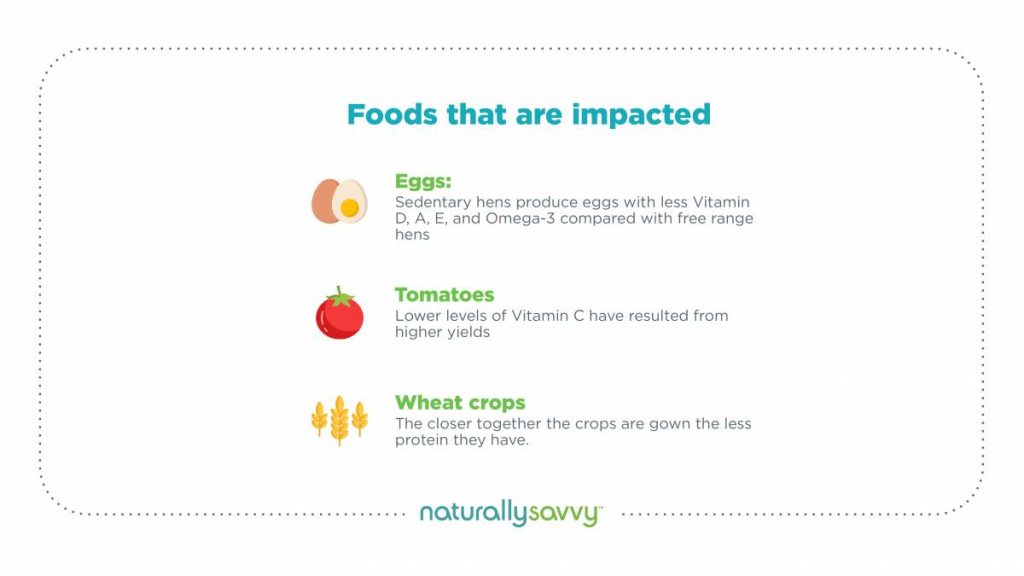
One of the best ways to help prevent soil depletion is to practice sustainable, organic farming. The majority of crops, however, are grown conventionally. Conventional farmers use pesticides, herbicides, and fungicides to fight pests, infections, and weeds as well as use synthetic fertilizers to provide nutrition to their crops.
Read about top 10 reasons to eat organic
The use of synthetic pest control products may seem like a good way to control weeds and pests, but pesticides, herbicides, and fungicides also destroy beneficial microbes in the soil. They are associated with numerous acute and chronic health problems, including neurological and reproductive disorders, asthma, eye and skin irritation, nausea, vomiting, diarrhea, loss of consciousness, extreme weakness, and seizures. Chronic or long-term exposure has been associated with Parkinson’s disease, depression, attention and hyperactivity disorder, and cancer.
Synthetic products also can interfere with pollination by damaging honeybee and butterfly populations. This interference can have a devastating impact on crops worldwide.
When synthetic, inorganic fertilizers are applied to crops, they destroy the beneficial microbes in the soil. The nitrogen in these fertilizers also leaves residues, such as ammonia and nitrate, which eventually make their way into rivers, groundwater, and the oceans, where they are dangerous to aquatic life.
Organic farming relies on natural approaches—both modern ones and those used by farmers from centuries past–such as composing, rotational grazing, cover crops, crop rotation, beneficial insects for pest control, and planting cycles adapted to the location to maintain healthy soil and to produce nutritious food.
In a nutshell, “Conventional and organic farming methods have different consequences on the environment and people. Conventional agriculture causes increased greenhouse gas emissions, soil erosion, water pollution, and threatens human health,” according to the Rodale Institute, while “Organic farming has a smaller carbon footprint, conserves and builds soil health, replenishes natural ecosystems for cleaner water and air, all without toxic pesticide residues.”
Read about the truth about organic farming and why it matters
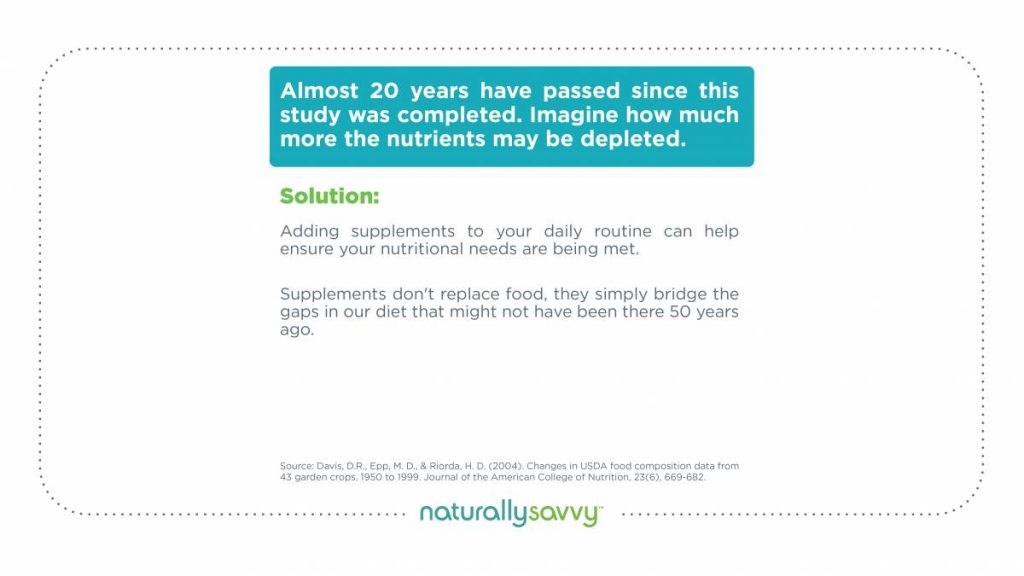
Soil depletion is a serious global problem that has an impact on human health and the environment. Each of us can do our part by supporting local, organic farmers, eating a wide variety of organic foods, taking supplements when needed, and growing our own food when possible.
The post Soil Depletion and What It Means To You appeared first on lifesfouhealth.com.
]]>