The post Aloe Vera and Antioxidants appeared first on NaturallySavvy.com.
]]>Antioxidants
Antioxidants are compounds in foods that have the ability to find and fight cell-damaging molecules called free radicals. Free radicals can do a lot of damage. They have the ability to alter your DNA, which can result in cancer or many other health challenges. They can harm the membranes of your cells, so they are unable to perform their assigned functions, and at high levels, they can result in oxidative stress, which can lead to the development of tissue damage and chronic diseases.
Antioxidants in aloe vera
Aloe vera contains scores of bioactive elements that provide various health benefits. In addition to amino acids, enzymes, proteins, carbohydrates, and lipids, the plant is rich in antioxidants. The food and cosmetic industries have used the antioxidants in aloe vera to enhance the nutritional value of food and extend the shelf life of beauty products. Experts are becoming increasingly aware of the value of these antioxidants, which are found in the plant’s leaves, gel, and flowers.
In a 2019 report in Plant Foods for Human Nutrition, the authors note the types of antioxidants in plants and one way to reap the most benefits from them. They note, for example, that the best time to harvest aloe vera leaves is after the plant has been growing for three years because the levels of a group of antioxidants known as flavonoids are highest then. Other antioxidants found in aloe vera include polyphenols (e.g., catechins, quercetin, rutin) and vitamins and minerals (e.g., vitamin C, beta-carotene, alpha-tocopherol, copper, zinc).
Read more about the health benefits of aloe vera
Benefits of antioxidants in aloe vera: research
In a study that looked at the antioxidant abilities of aloe leaf gel using ORAC (Oxygen Radical Absorbance Capacity, a lab test that determines the total antioxidant capacity of foods and other chemical substances), the authors reported that the gel “may show promise in alleviating symptoms associated with/or prevention of cardiovascular diseases, cancer, neurodegeneration, and diabetes.”
In another study, a group of researchers evaluated the activity of two compounds that showed antioxidant activity against superoxide and hydroxyl radicals, which are involved in developing many health conditions, including cardiovascular disease, chronic inflammation, dementia, and cancer.
According to a review of clinical trial results done by an independent research firm, Lily of the Desert Aloe enhanced with Aloesorb “significantly improves vitamin C absorption, immune function, oxidative stress levels, and detoxification.” Aloesorb is a high concentration of aloe polysaccharides that helps enhance the supplement's ability to support immune function, digestive health, and antioxidant absorption.
Read about aloe vera and the immune system
In a clinical trial, experts evaluated the use of Lily of the Desert Whole Leaf Aloe Juice enhanced with Aloesorb in 75 healthy adults. In this double-blind, placebo-controlled effort, the oxidative reduction potential (ORP) improved by 40 percent in the participants who took aloe vera versus those who took a placebo. Aloe vera users also showed an 11 percent reduction in toxins accumulation compared to controls. The results suggest that this aloe vera supplement can safely and significantly improve oxidative stress (which contributes to and causes disease), enhance immune function, and improve detoxification in healthy individuals.
Here is yet another benefit of aloe vera. In a study in Phytomedicine, experts evaluated the absorption of vitamin C (a water-soluble nutrient) and vitamin E (a fat-soluble nutrient) with aloe vera or without. The authors found that using either aloe vera whole leaf extract or inner fillet gel improves the absorption of both vitamins. They noted that aloe vera should be used as a complement to these supplements.
Bottom line
Aloe vera contains a variety of powerful antioxidants that have been shown to possess an ability to enhance and improve immune function, detoxification, and other benefits. If you are looking for a way to manage your health better and improve the antioxidant activity and potential in your body, then consider aloe vera gel or juice as a daily supplement.

Sources
Hęś M et al. Aloe vera (L.) Webb.: Natural sources of antioxidants – A review. Plant Foods for Human Nutrition 2019 Sep; 74(3):255-65.
Loots du T et al. Aloe ferox leaf gel phytochemical content, antioxidant capacity, and possible health benefits. Journal of Agricultural Food Chemistry 2007 Aug 22; 55(17):6891-96.
Montgomery M. Evaluating the safety and efficacy of immune enhancement, ORP (oxidation and reduction potential), and reduction of toxicity levels (nitrates) using Lily of the Desert Aloe Vera Whole Leaf Juice enhanced with Aloesorb. Fenestra Research Labs, 2008 Winter
Tully L. Lily of the Desert Aloe Juice clinical studies summary. 2022
Vinson JA et al. Effect of aloe vera preparation on the human bioavailability of vitamins C and E. Phytomedicine 2005 Nov; 12(10):760-65
Zhang X et al. Isolation, structure elucidation, antioxidative and immunomodulatory properties of two novel dihydrocoumarins from Aloe vera. Bioorganic & Medicinal Chemistry Letters 2006 Feb 15; 16(4):949-53.
The post Aloe Vera and Antioxidants appeared first on NaturallySavvy.com.
]]>The post BFCM Immune Support Giveaway appeared first on NaturallySavvy.com.
]]>
The prize valued at $102 includes:
Kyo-Dophilus Daily Probiotic for Immune Health and Digestive Support
Kyolic Aged Garlic Extract Immune Support with Vitamin C, Astralagus, Medicinal Mushrooms, and Oregano
Kyo-Greens Harvest Blend Immune Defence with Superfoods, Grasses, Fruits, and Veggies
Thanks for entering. Congratulations to the winners: Cindy M., Marion W., and Christa N. Stay tuned for more giveaways.
By entering the giveaway, you are opting to receive emails from Naturally Savvy and Wakunaga of America. You may opt-out anytime. The giveaway is open to the US only. One entry per person. The giveaway runs from November 16 – December 1, 2023. Winners will be announced after the giveaway ends.
Giveaway Rules and Regulations
Privacy Policy
The post BFCM Immune Support Giveaway appeared first on NaturallySavvy.com.
]]>The post Supplements for Better Brain Health and Function appeared first on NaturallySavvy.com.
]]>Eating for better brain health and function
Following a nutritious diet does more than fuel your body; it stokes and energizes your brain. If you don’t properly nourish your brain with certain essential nutrients, then you risk a decline in cognitive function and an increased risk for neurodegenerative disease. Before discussing the best supplements for better brain health and function, let’s look at diet.
Read about building better brain health naturally
A diet that was specially developed to promote brain health, support brain function, and help reduce the risk of developing dementia, including Alzheimer’s disease, is called the MIND diet. It stands for Mediterranean-DASH Intervention for Neurodegenerative Delay and takes components from two highly acclaimed diets—Mediterranean and DASH—that focus on enhancing brain health.
The MIND diet was voted 4th best overall diet in 2023 by US News & World Report, while its “parents” were voted 1st and 2nd (Mediterranean and DASH, respectively) for 2023 and have consistently been in the top two for many years. Research shows that people who adopted a diet very close to the MIND diet had about a 53 percent lower risk of developing Alzheimer’s disease.
Even if you follow the MIND diet, adding supplements may boost the benefits. Let’s explore some nutrients available in supplements that can help with better brain health and function.
Supplements for better brain health and function
What supplements might you need to help enhance or fill in the gaps in your diet to support your brain health and function? Here are eight candidates that have research to back them up.
Aged garlic extract (AGE)
Aged garlic extract is a supplement produced by aging fresh organic garlic at room temperature in an aqueous ethanol solution for up to 20 months. The result is a highly bioavailable product that has undergone some significant changes. For example, the garlic becomes odor-free and is easily digestible. It also loses its harsh organosulfur compound known as allicin, which is transformed into mild substances called S-allylmercaptocystine (found only in AGE) and S-allylcysteine.
Research has shown that AGE has neuroprotective properties that work against neuroinflammation and neurodegeneration. Two active ingredients in AGE are SAC (S-allylcysteine), which is the most abundant component, and FruArg [(N-alpha-(1-deoxy-D-fructose-1yl)-L-arginine]. All three of these substances appear to work to improve brain health. FruArg can cross the blood-brain barrier, which “further supports its potential as a therapeutic compound.”
Read about aged garlic extract: AGE for a healthier you
Carnitine
Carnitine is an amino acid and nutrient that is found in food and is also produced by the body from two other amino acids, lysine and methionine. Its main role in the body is to help transport fatty acids into the mitochondria in cells, where they are burned for energy.
The standard biologically active form of carnitine is L-carnitine. However, several other forms, including acetyl-L-carnitine, may be the most beneficial form for the brain. Research shows that this form of carnitine “shows promise in the treatment of aging and neurodegenerative pathologies by slowing the progression of mental deterioration.”
Folic acid
Folic acid is the supplement form of folate, the natural type of B vitamin (B9) found in food. You need folic acid to develop RNA and DNA and to form neurotransmitters in the brain. Several B vitamins, especially folic acid, are involved in brain health and memory. Research has shown that a higher intake of folate/folic acid is associated with a significantly reduced incidence of dementia.
Ginkgo biloba
Ginkgo biloba has been around for millions of years, but recently, researchers uncovered its value for brain health and function. This herb is a powerful antioxidant that can improve blood circulation in the brain and help individuals living with mild cognitive impairment. In a 2023 systemic review that included nine clinical trials involving 946 patients, they found ginkgo to be beneficial for memory, attention, executive functioning, and processing speed. Significant improvement was also seen in anxiety and depression.
Lecithin
Lecithin is a naturally occurring fatty acid involved in metabolic function, energy balance, and the regeneration of brain cells. More specifically, lecithin is important for the production of the neurotransmitter acetylcholine. Healthy levels of this neurotransmitter are necessary to support healthy brain function.
Phosphatidylserine
Phosphatidylserine is a type of fat (phospholipid) that helps protect brain cells against damage and sends signals between them, which promotes memory and cognitive function. Levels of phosphatidylserine decline as you age, which is why some people take a supplement as they age.
Siberian ginseng
Despite its name, this herb is not true ginseng. However, Siberian ginseng (Eleuthero) is an adaptogen, which means it works to help balance and manage stress in the body. Among the potential benefits of this herb is the ability to increase blood flow, including to the brain, which may improve memory, concentration, and other mental functions.
Vitamin B12
This B vitamin plays several functions in brain health. Some research has shown that people with early-stage dementia who took vitamin B12 and omega-3 fatty acids had slowed mental decline. One study noted that low levels of vitamin B12 can impact memory performance. A 2020 study in Cureus noted that “Vitamin B12 deficiency is linked to cognition, and replacement therapy may be an option to improve patient cognition outcomes.”
Bottom line
Several natural nutrients and herbs, including memory and concentration, benefit brain health and function. Kyolic Brain Focus provides ginkgo biloba for sharpness, mental acuity, and attention. Kyolic Brain Memory combines aged garlic extract, ginkgo biloba, and Siberian ginseng for better concentration, learning, and recall. Kyolic Neuro-Logic is a special formula of aged garlic extract along with carnitine, choline (from lecithin), folic acid, ginkgo biloba, phosphatidylserine, and vitamin B12 for memory, learning, and mental acuity.
Sources
Aimera R. L-carnitine: benefits, side effects, sources, and dosage. Healthline 2023 May 9
Best diets 2023. US News & World Report 2023 Jan 3
Hort J et al. Ginkgo biloba extract EGb 761 in the treatment of patients with mild neurocognitive impairment: A systematic review. Neuropsychiatric Disease and Treatment 2023 Mar 23; 19:647-60.
Huizen J. 12 potential health benefits of eleuthero. Medical News Today 2023 Jul 12
Köbe T et al. Vitamin B-12 concentration, memory performance, and hippocampal structure in patients with mild cognitive impairment. American Journal of Clinical Nutrition 2016 Apr; 103(4):1045-54.
Ma X et al. Phosphatidylserine, inflammation, and central nervous system diseases. Frontiers in Aging Neuroscience 2022; 14:975176.
Mawer R, Ajmera R. L-carnitine: benefits, side effects, sources, and dosage. Healthline 2023 May 9
MIND diet. US News & World Report 2023 Jan
Morris MC et al. MIND diet associated with reduced incidence of Alzheimer’s disease. Alzheimer’s & Dementia 2015 Sep; 11(9):1007-14
Northrop A. Best brain supplements. Forbes 2023 Jun 9
Oulhaj A et al. Omega-3 fatty acid status enhances the prevention of cognitive decline by B vitamins in mild cognitive impairment. Journal of Alzheimers Disease 2016; 50(2):547-57.
Phosphatidylserine. Cleveland Clinic 2023 Jul 14
Sam C, Bordoni B. Physiology, acetylcholine. StatPearls 2023 Apr 10
Song H et al. Bioactive components from garlic on brain resiliency against neuroinflammation and neurodegeneration. Experimental and Therapeutic Medicine 2020 Feb; 19(2):1554-59.
Traina G. The neurobiology of acetyl-L-carnitine. Frontiers in Bioscience (Landmark Ed). 2016 Jun 1; 21(7):1314-29.
Virmani MA, Cirulli M. The role of L-carnitine in mitochondria, prevention of metabolic inflexibility and disease initiation. International Journal of Molecular Science 2022 Feb 28; 23(5):2717
Wang Z et al. B vitamins and prevention of cognitive decline and incident dementia: a systematic review and meta-analysis. Nutrition Reviews 2022 Mar 10; 80(4):931-49.
The post Supplements for Better Brain Health and Function appeared first on NaturallySavvy.com.
]]>The post Tune Up Your Immune System with the Power of Three appeared first on NaturallySavvy.com.
]]>Why support your immune system
Why is supporting your immune system so critical? The past few years, in particular, have shown us that focusing on protecting and boosting immune system health needs to be a priority in our lives. The truth is we face challenges to the integrity of our immune system all the time, ranging from cold and flu germs to cigarette smoke, air pollution, parasites, mold, food additives, contaminants in personal care products, alcohol, poor nutrition, lack of sleep, chronic stress, and more.
Even if you follow a nutritious diet, exercise regularly, get sufficient sleep, and avoid as many immune system invaders as possible, it is still a challenge to keep your immune system operating at its best and to prevent health issues that can negatively impact your life. That’s why adding supplements to your other healthy lifestyle efforts is recommended.
Choosing immune system supplements
The array of immune system supplements on the market is vast, and choosing those that will most effectively help support immune function can be time-consuming. An essential starting point is to find supplements whose ingredients are effective in scientific research. Once that has been established, you will want to select those in a form you can take easily (tablet, capsule, powder, liquid) and are free of allergens, preservatives, and other additives.
Among the most researched and effective immune system supplements on the market are greens, aged garlic, and probiotics.
Greens for immune health
Greens have long been recognized as potent immune system supporters and among the healthiest vegetables. Dark leafy greens such as spinach, collards, beet greens, kale, mustard greens, and parsley, as well as grasses (wheat, barley), chlorella, spirulina, and kelp are among the members of this category. Their contributions to enhanced immune system function include vitamins A, C, K, and folate and the minerals calcium, zinc, potassium, and magnesium. The nutrients of dark leafy greens provide antioxidant powers from carotenoids, inflammation-fighting abilities, and plant-based nitrates, which may help fight hypertension and prevent heart disease.
In a 2022 article in Experimental and Molecular Medicine, the authors noted the significant contributions of chlorella to immune health in humans and animals. For example, scientists who gave chlorella supplements to healthy individuals found that the green significantly increased levels of certain cytokine factors, suggesting the immune-stimulating effect of chlorella.
Spirulina is another green that doesn’t always get much attention because people don’t serve it on dinner plates. However, this blue-green algae contains protein and immune system-supporting vitamins such as C, B6, and E. It also has been shown to stimulate the production of antibodies and help the immune system function more efficiently and effectively.
Are you eating at least 2 cups of dark leafy greens every day? That’s the recommendation, but if you are falling short or would like to boost your immune system, then Kyo Green® Harvest Blend powdered greens supplement can help you achieve your goal. Its unique formula of ancient grains, spirulina, and other greens and prebiotic fiber has been designed to support normal immune system function.
Aged garlic for immune health
Garlic is a well-studied and commonly used herb known for its immune-boosting abilities, antioxidant properties, and inflammation-fighting abilities. Although regular garlic has these qualities, they are enhanced in aged garlic extract (AGE). Kyolic AGE is made from a proprietary process that starts with organically grown garlic sliced and stored in stainless steel tanks at ambient temperature for up to 20 months. The chemical changes during this time enhance the antioxidants and phytochemicals in the garlic and make it more digestible while also killing off allicin, the compound in garlic responsible for its pungent smell.
Numerous studies have noted the immune system-boosting powers of aged garlic. In one clinical trial that involved 120 healthy participants, for example, the results suggested that the use of AGE enhanced the function of immune cells and reduced the severity of colds and flu. In a more recent clinical trial, the authors reported that “AGE, taken consistently, may be beneficial in preventing the development of chronic diseases associated with low-grade inflammation in adults with obesity.”
When shopping for an aged garlic extract supplement, look no further than Kyolic Immune Formula 103. In addition to organic aged garlic extract, it also contains other immune-boosting ingredients that support the benefits of garlic, such as vitamin C, medicinal mushrooms, astragalus, and olive leaf extract. The result is a bioavailable and odorless supplement that provides immune system support and is easy on the stomach.
Probiotics for immune health
Beneficial bacteria, aka probiotics, have been studied for various health benefits, including enhancement of immune function and digestive health. It’s well known that the integrity of your gut health is critical for optimal immune function and overall health. One way to bring balance to the microbiome in your gut is by providing it with probiotics consistently.
In a 2023 article in Cell, the authors explained that probiotic bacteria interact and stimulate immune cells and microflora and have “important health-promoting and immunomodulatory properties.” These beneficial bacteria “might represent a promising approach for improving immune system activities.” Although probiotics can be obtained from foods such as yogurt, kefir, sauerkraut, kimchee, and some cheeses, probiotic supplements can supply the body with many helpful microorganisms regularly.
Scientists have identified many probiotic species and strains that can support a healthy gut microbiome and immune function. Among them are Lactobacillus gasseri KS-13, which can support gastrointestinal function and immune health; Bifidobacteriuim bifidum G9-1, which may enhance immunity by reducing inflammation; and Bifidobacterium longum, which works to regulate bowel movements. All three of these probiotics can be found in Kyo-Dophilus® Daily Probiotic. Daily use of this probiotic may help promote better immune function.
Bottom line
Are you looking for ways to enhance and support your immune function for yourself and your family? Are you searching for safe, effective ways to achieve these goals? Along with a healthy diet, regular exercise, stress reduction, and being watchful of exposure to immune system-busting compounds like sugar, alcohol, and processed foods, consider the power of three: the addition of supplements that provide greens, aged garlic extract, and selected probiotics can help complete the picture.

Sources
12 powerhouse vegetables you should be eating. WebMD 2022 Aug 27
Gregor M. Greens. Nutrition Facts
Kim JH et al. Immunomodulatory functional foods and their molecular mechanisms. Experimental and Molecular Medicine 2022 Jan; 54(1):1-11.
Kwak JH et al. Beneficial immunostimulatory effect of short-term Chlorella supplementation: enhancement of natural killer cell activity and early inflammatory response (randomized, double-blinded, placebo-controlled trial). Nutrition Journal 2012 Jul 31; 11:53.
Mazziotta C et al. Probiotics mechanism of action on immune cells and beneficial effects on human health. Cells 2023 Jan 2; 12(1):184.
Percival SS. Aged garlic extract modifies human immunity. Journal of Nutrition 2016 Feb; 146(2):433S-436S.
Wu Q et al. The antioxidant, immunomodulatory, and anti-inflammatory activities of Spirulina: an overview. Archives of Toxicology 2016 Aug; 90(8):1817-40
Xavier AA, Pérez-Gálvez A. Carotenoids as a source of antioxidants in the diet. Subcellular Biochemistry 2016; 79:359-75.
Xu C et al. Aged garlic extract supplementation modifies inflammation and immunity of adults with obesity: A randomized, double-blind, placebo-controlled clinical trial. Clinical Nutrition ESPEN 2018 Apr; 24:148-55.
The post Tune Up Your Immune System with the Power of Three appeared first on NaturallySavvy.com.
]]>The post Aloe Vera and Oral Health appeared first on NaturallySavvy.com.
]]>The need for better oral health care is considerable. A 2019 report from the Centers for Disease Control and Prevention notes that 26 percent of adults in the United States have tooth decay that has not been treated. Among adults aged 30 years and older, 46 percent have signs of gum disease. In Canada, the news is better. Eighty-four percent of Canadians say their dental health is good or excellent. However, good oral health requires a commitment to daily care.
In this article, we will explore using aloe vera to manage dental care and maintain oral health.
What is aloe vera?
Aloe vera, or Aloe barbadenis miller, is a succulent with fleshy, serrated leaves found primarily in dry areas of the world, including parts of Africa, Europe, the Americas, India, and Asia. The leaves are made up of three layers:
- the rind (outer layer) that protects the plant and also makes proteins and carbs;
- a middle layer composed of a bitter sap called latex, as well as substances called anthraquinones and glycosides;
- The inner layer is formed nearly entirely of water, amino acids, lipids, vitamins, sterols, and glucomannanas.
What’s unique about aloe vera?
Approximately 75 active substances can be found in aloe vera. Some properties make it a good candidate for helping manage oral health.
- Vitamins A and C are potent antioxidants. Vitamin A helps keep mucus membranes healthy and thus aids in preventing dry mouth. Vitamin C is involved in collagen production and contributes to connective tissue health.
- Enzymes, especially bradykinesia, can help reduce inflammation when applied topically.
- Calcium, magnesium, and zinc minerals are essential for strong teeth.
- Polysaccharides, including acemannan (aka glucomammose), have demonstrated an ability to aid in mineralization and dentin formation and thus strengthen teeth.
- Plant steroids, including cholesterol, campesterol B-sitosterol, and lupeol. These have anti-inflammatory abilities, and lupeol also provides pain-reducing properties.
- Other substances in aloe vera that may contribute to better oral health include saponins, which have antiseptic properties, and salicylic acid, which has antibacterial and anti-inflammatory abilities.
Oral health issues
The most common complaints people have concerning their oral health are:
- Cavities: Also known as caries or tooth decay, they are tiny holes in the hard surface of the teeth.
- Gingivitis: Accumulation of plaque on the teeth. Too much plaque can result in inflamed, painful, and bleeding gums.
- Periodontitis (gum disease): Develops when gingivitis is not treated. This gum disease destroys the bone that supports teeth and causes bad breath and receding gums.
- Bad breath: Foul-smelling breath that can occur because of dehydration, poor dental hygiene, and eating certain foods.
- Mouth ulcers: Small sores that develop on the lips, tongue, and other areas inside the mouth. They can be caused by factors such as biting your tongue or cheek, wearing braces, using abrasive toothpaste, eating acidic foods, hormonal fluctuations, and stress.
Poor oral health can tremendously impact your overall physical and emotional health. The University of Illinois Chicago School of Dentistry has reported on an association between periodontitis and the development of Alzheimer’s disease, prediabetes, type 2 diabetes, and obesity.
Poor dental health also has been associated with cardiovascular disease risk, according to a Harvard report. One reason may be that infections of the gums may reach the blood vessels and cause inflammation and damage that results in clots, strokes, or heart attacks. The Harvard report also mentions a connection between poor oral health, rheumatoid arthritis, and pancreatic cancer.
Aloe vera and oral health: research
The anti-inflammatory, antibacterial, and antioxidant properties of aloe vera have prompted people to use it to manage various dental problems. For example, in one study, 45 individuals with gingivitis were asked to rinse with aloe vera mouthwash alone, undergo scaling, or use the aloe vera mouthwash and have scaling. All the patients showed an improvement in gingivitis, but those in the aloe vera and scaling group had the most reduction. In a study of people with periodontitis, using aloe vera gel with scaling and root planing resulted in a better outcome than scaling and root planing alone.
The use of aloe vera also can destroy Streptococcus mutans, bacteria that produce plaque. In a 2019 study, researchers found aloe vera helped inhibit S. mutans growth.
In other research, patients with oral submucous fibrosis were treated with either aloe vera juice or aloe vera gel for three months or hydrocortisone and hyaluronidase for six weeks and antioxidants for three months. The effectiveness of the aloe vera was comparable to that of the other treatment. Experts also have shown that aloe vera gel is effective in speeding up healing from mouth ulcers and also reduces pain and wound size.
Using aloe vera for oral health
You can use aloe vera to support your dental health by using commercial toothpaste and mouthwash that contain the gel, or you can make your own products. Whether you buy products that already have aloe vera or you make your own, buy aloe vera that is all-natural and organic.
Mix 1 to 2 tablespoons of natural aloe vera gel and a drop of cinnamon, lemon, orange, or peppermint essential oil to make your toothpaste. Place a small amount on your toothbrush. Store the excess in a glass airtight container.
Homemade aloe vera mouthwash requires a few more ingredients. You will need a clean, empty glass jar with a lid.
- ½ cup aloe vera juice
- ½ cup distilled water
- 1 ½ tsp baking soda
Combine the ingredients in the bottle, put on the lid, and shake well until everything has dissolved. Refrigerate the unused mouthwash. To use, swish a small amount in your mouth for 20 seconds, then gargle for a few seconds before spitting out the mouthwash. Do not swallow the mouthwash. If you don’t like the taste, add 1 to 2 drops of peppermint, orange, lemon, or peppermint essential oil.
Oral use of aloe vera gel and juice is generally safe, but some people experience allergic reactions. A 2019 study reported that “topical and oral use of Aloe vera can cause skin irritation, hives, cramping, and diarrhea to those allergic to other plants in the lily family…onion and tulips.” Before using aloe vera, a patch test is recommended. If you experience any reactions, stop using aloe vera immediately. Never use aloe latex orally, as it can cause stomach cramps and irritation. Children and pregnant and breastfeeding women should always check with their physician before using aloe vera.
Other ways to use aloe vera
Aloe vera is also used to help manage other health concerns, including skin irritation and dryness, sunburn, diabetes (which may help lower blood sugar), and digestive issues such as indigestion, constipation, and heartburn (aloe vera juice). Talk to your healthcare provider about how aloe vera may be effective for other symptoms and health concerns.
Bottom line
Aloe vera is a natural, complementary remedy with antibacterial, anti-inflammatory, and antioxidant properties that may prove helpful in the management of oral health issues. Along with regular checkups, daily oral care, and teeth cleanings, aloe vera can be a part of your oral care routine.
[Editor's Note: We trust the brand Lily of the Desert for our aloe vera. We've been using it for years for everything from boo-boos to digestion. Learn more about it on their site.]
Sources
Ajmera N et al. Aloe vera: It's effect on gingivitis. Journal of Indian Society of Periodontology 2013 Jul; 17(4):435-38.
Anuradha A et al. Evaluation of efficacy of aloe vera in the treatment of oral submucous fibrosis – a clinical study. Journal of Oral Pathology & Medicine 2017 Jan; 46(1):50-55.
Babaee N et al. Evaluation of the therapeutic effects of Aloe vera gel on minor recurrent aphthous stomatitis. Dental Research Journal (Isfahan) 2012 Jul; 9(4):381-85.
Centers for Disease Control and Prevention. Oral Health Surveillance Report: Trends in Dental Caries and Sealants, Tooth Retention, and Edentulism, United States, 1999–2004 to 2011–2016. Atlanta, GA: Centers for Disease Control and Prevention, US Dept of Health and Human Services; 2019.
Curatola G. 9 vitamins and minerals for healthy teeth. Rejuvenation Dentistry 2023 Jan 30
DIY homemade mouthwash recipes you can easily make. Soundview Family Dental. 2020 Oct 18
Eke P et al. Periodontitis in US adults: National Health and Nutrition Examination Survey 2009-2014. JADA 2018; 149(7):576-86.
Fallahi HR et al. Effect of aloe vera mouthwash on postoperative complications after impacted third molar surgery: a randomized, double-blind clinical trial. Journal of Oral and Maxillofacial Surgery, Medicine, and Pathology 2016 Sep 5; 28(5):392-96
Guo X, Mei N. Aloe vera: a review of toxicity and adverse clinical effects. Journal of Environmental Science and Health, Part C. Environmental Carcinogenesis and Ecotoxicology Reviews. 2016 Apr 2; 34(2):77-96
Higuera V. Benefits of aloe vera for your gums. Healthline 2019 Aug 14
Mangaiyarkarasi SP et al. Benefits of Aloe vera in dentistry. Journal of Pharmacy and Bioallied Sciences 2015 Apr; 7(Suppl 1):S255-59.
Sánchez M et al. Pharmacological update properties of Aloe Vera and its major active constituents. Molecules 2020 Mar 13; 25(6):1324.
Shmerling RH. Gum disease and the connection to heart disease. Harvard 2021 Apr 22
Sholehvar F et al. The effect of Aloe vera gel on viability of dental pulp stem cells. Dental Traumatology 2016 Oct; 32(5):390-96.
Sultan MS. Antibacterial effect of aloe vera and glass ionomer modified by aloe vera on Streptococcus mutans. Egyptian Dental Journal 2019 Jul; 65(3):2607-16
The surprising connections between dental health and well-being. University of Illinois Chicago School of Dentistry 2019 Jan 14
The state of oral health in Canada. Canadian Dental Association. 2017 Mar
Surjushe A et al. Aloe vera: a short review. Indian Journal of Dermatology 2008; 53(4):163-66.
The post Aloe Vera and Oral Health appeared first on NaturallySavvy.com.
]]>The post 7 Signs of Early-Onset Alzheimer’s and What You Should Do appeared first on NaturallySavvy.com.
]]>However, even though – according to the CDC – over 5 million Americans were suffering from this, it’s not usual to see early onset Alzheimer’s. Early-onset Alzheimer's affects people between 40 and 50 years old.
This progressive illness affects memory and leads to difficulty with communication and social interactions.
The challenge in the early stages is obtaining an accurate diagnosis due to many symptoms being caused by things like stress, anxiety, certain medications, thyroid problems, sleep disorders, nutritional deficiencies, etc.
A great example is stressful situations in your daily life. During these times, it’s normal to forget one or two things.
However, if you think you could have early symptoms of dementia, this article with seven signs of early-onset Alzheimer’s will help you recognize them.
Causes For Early-Onset Alzheimer's Disease
The thing about Alzheimer’s is that there are still a lot of unanswered questions about how it develops. Some proteins appear in the brain that are linked with Alzheimer's development. Two specific types of proteins are often associated with the condition: beta-amyloid proteins and tau proteins. What these proteins do is disrupt normal cellular and molecular processes and attack the areas of the brain associated with memory.
This affects daily activities and behavior.
Some genes can increase the risk of developing early-onset Alzheimer's. These include:
- APOE (Apolipoprotein E) Gene, especially the APOE E4 gene
- PSEN1 (Presenilin 1) and PSEN2 (Presenilin 2) Genes
- APP (Amyloid Precursor Protein) Gene
Risks For Early-Onset Alzheimer's Disease
The risk factors for developing early-onset Alzheimer's include:
- Genetics
- Family history
- Medical conditions like cardiovascular disease, diabetes, and head injuries.
- Environmental factors like exposure to toxins
- Lifestyle factors include a sedentary lifestyle, poor diet, smoking, and excessive alcohol consumption.
Can You Diagnose Early-Onset Alzheimer's Disease?
Diagnosing early-onset Alzheimer's involves a comprehensive evaluation by a healthcare professional, including a thorough medical history, physical examination, and various tests and assessments. The goal is to rule out other potential causes of cognitive impairment and to identify any underlying factors contributing to the symptoms. Here are some of the tests and assessments commonly used in diagnosing early-onset Alzheimer's disease:
- Neurological tests.
- Cognitive exercises.
- Neuropsychological Testing
- Blood samples.
- MRI, PET, or CTs.
- Cerebrospinal Fluid Analysis
- Genetic Testing
- Functional and Behavioral Assessments
- Family and Caregiver Interviews
7 Signs of Early-Onset Alzheimer's
Early-onset Alzheimer's is not easily detectable, but if you experience these symptoms, see a qualified healthcare professional to rule out other underlying causes.
Memory Loss
If you find yourself forgetting important things, such as special events, familiar faces that you should remember (like your mom's), or repeating questions, these could be signs pointing to memory loss.
You Have A Hard Time-Solving Problems or Planning
A person with real AD symptoms will have difficulty focusing on numbers and following or developing a plan. Struggling to follow directions or instructions, even simple ones, and needing frequent reminders.
You Can’t Finish Simple Tasks Correctly
You're having trouble focusing or maintaining attention on tasks, making it challenging to complete complex or multi-step activities like making a recipe you've made many times before.
You Can’t Find The Right Words
Experiencing difficulty in finding the right words during conversations or having frequent "tip-of-the-tongue" moments.
You Avoid Crowds And Social Events
People with AD find social events difficult. If you or someone you know is constantly rejecting going out because they feel uncomfortable when these social situations, it could be a sign of dementia.
Your Personality Changes Constantly
Changing behavior or personality could be related to bipolar disorder. However, it could also be an AD sign. Confusion, anxiety, fear, angry outbursts, or depression are common moods you could feel.
You Can’t Understand Images
Not recognizing images, especially familiar ones, can be a sign of cognitive impairment or a cognitive disorder like Alzheimer's disease.
Preventing Early-Onset Alzheimer's
Here are some lifestyle changes you can make to decrease your chances of developing early-onset Alzheimer's.
- Get regular exercise even if it's just a walk. Keeping active is very important to brain health.
- Practice great sleep hygiene. Our glymphatic system cleans our brains when we are sleeping. So having great sleep is so important.
- Eating healthier food.
- Training your cognitive skills.
- Keep learning new things. Try puzzles, pick up a new language, learn to play an instrument, or take dance classes.
Preparing for the Future
If you or a family member has been diagnosed with early-onset Alzheimer's be prepared for the future by putting things in place today.
For example:
- Buying life insurance.
- Modifying your house so you can age safely in place.
- Looking for professionals and caregivers to help.
The post 7 Signs of Early-Onset Alzheimer’s and What You Should Do appeared first on NaturallySavvy.com.
]]>The post Aloe Vera – Effects on Blood Glucose and Benefits appeared first on NaturallySavvy.com.
]]>Today, many people turn to aloe vera to treat sunburn and other minor burns, scrapes, bruises, and cuts. Aloe vera plants are commonplace on kitchen windowsills and in home gardens. But have you ever thought about using aloe vera for blood sugar management? Yes, it’s been shown to improve blood glucose levels.
What is aloe vera?
Aloe vera is a succulent that is native to dry areas of America, Europe, Africa, and Asia. It’s composed of fleshy leaves, yellow flowers, and fruits with seeds. The leaves are made of three layers.
- The outer thick layer is the rind, which protects the plant and makes proteins and carbohydrates.
- The inner clear gel is 99 percent water and 1 percent beneficial substances.
- A middle layer is composed of latex that contains glycosides and anthraquinones, which have laxative effects.
Aloe vera contains about 75 potentially active ingredients, including vitamins, sugars, lignin, saponins, salicylic acids, amino acids (20 of the 22 required amino acids), enzymes, and minerals.
Read about 9 reasons to use aloe vera juice every day
In addition to using the inner gel of the plant directly on the skin, aloe vera is used in many different products, such as creams and lotions for topical use, as well as aloe vera juice for internal conditions such as indigestion, heartburn, and other digestive issues.
Aloe vera and blood glucose levels: studies
Another potential use for aloe vera juice is to help improve blood glucose (sugar) levels. In a 1999 study, researchers indicated that oral aloe vera “might be a useful adjunct for lowering blood glucose in diabetic patients.” Since then, experts have continued to explore aloe vera's use in managing blood glucose and diabetes. Thus far, some of their findings include the following:
- In a study involving 90 individuals with non-insulin-dependent diabetes, the participants were given either no treatment (controls), 100 mg of aloe vera gel powder, or 200 mg of the powder daily for 3 months. The authors noted a significant drop in fasting blood glucose levels and post-prandial glucose levels in the groups that received aloe vera but not in the controls. The participants in the aloe vera groups also saw a significant reduction in total cholesterol, triglycerides, low-density lipoprotein cholesterol, and very low-density lipoprotein cholesterol, and a significant increase in high-density lipoprotein cholesterol. Blood pressure declined significantly in the aloe vera groups but only slightly in the controls.
- In a 2013 animal study, aloe vera extract was administered to diabetic rats. The extract significantly reduced glucose levels while also significantly increasing serum insulin levels.
- In a systemic review and meta-analysis that involved eight trials (470 patients) with prediabetes or type 2 diabetes, the researchers found that the use of aloe vera significantly improved fasting plasma glucose levels in people with prediabetes. For those with type 2 diabetes, aloe vera may improve glycemic control and significantly improve hemoglobin A1c levels.
- A 2022 study looked at the impact of aloe vera on dyslipidemia (elevated triglycerides, decreased high-density lipoprotein [good] cholesterol, elevated small dense low-density lipoprotein [bad] cholesterol) in individuals with type 2 diabetes. The authors noted that oral aloe vera may help improve blood glucose stability and the metabolism of lipids.
Read about why we love (and why you should love) aloe vera
The positive effects of aloe vera may be associated with the presence of various compounds. They include:
- Anthraquinones have anti-inflammatory and antioxidant properties.
- Acetylated mannan, also known as acemannan, which has anti-diabetic and anti-inflammatory properties.
- Aloe vera carbohydrate-rich fraction has been shown to regulate glucose metabolism in diabetic rats. In a 2021 study, the authors reported that the carbohydrate fraction of aloe vera improved glucose metabolism and helped maintain glucose homeostasis. They concluded that aloe vera carbohydrate-rich fraction “can be used as an alternative medicine to alleviate diabetes mellitus symptoms.”
- Glucomannan is a type of dietary fiber that may help lower blood glucose levels.
Using aloe vera
You can use aloe vera juice, gel, or supplements for blood sugar management. Choose an organic aloe vera product. A typical dose of aloe vera juice is one to three tablespoons daily.
Bottom line
Aloe vera is a natural supplement that may be used to help with blood glucose management in prediabetes and diabetes. However, consult a knowledgeable professional before using aloe vera because it may lower your blood glucose too much, especially if you already take diabetic medication.
[Editor's Note: Lily of the Desert grows and harvests aloe vera plants in the United States to provide a full line of aloe vera juices to choose from. Learn more at Lilyofthedesert.com.]
Sources
Abo-Youssef AMH, Messiha BAS. Beneficial effects of Aloe vera in treatment of diabetes: comparative in vivo and in vitro studies. Bulletin of Faculty of Pharmacy, Cairo University 2013 Jun; 51(1):7-11
Choudhary M et al. Hypoglycemic and hypolipidemic effect of Aloe vera L. in non-insulin dependent diabetics. Journal of Food Science and Technology 2014 Jan; 51(1):90-96
Deora N, Venkatraman K. Aloe vera in diabetic dyslipidemia: Improving blood glucose and lipoprotein levels in pre-clinical and clinical studies. Journal of Ayurveda and Integrative Medicine 2022 Oct-Dec; 13(4):100675
Govindarajan S et al. Aloe vera carbohydrates regulate glucose metabolism through improved glycogen synthesis and downregulation of hepatic gluconeogenesis in diabetic rats. Journal of Ethnopharmacology 2021 Dec 5; 281:114556.
Shelton RM. Aloe vera. Its chemical and therapeutic properties. International Journal of Dermatology 1991 Oct; 30(10):679-83
Suksomboon N et al. Effect of Aloe vera on glycaemic control in prediabetes and type 2 diabetes: a systematic review and meta-analysis. Journal of Clinical Pharmacy and Therapeutics 2016 Apr; 41(2):180-88.
Surjushe A et al. Aloe vera: a short review. Indian Journal of Dermatology 2008; 53(4):163-66.
Yongchaiyudha S et al. Antidiabetic activity of Aloe vera L. juice. I. Clinical trial in new cases of diabetes mellitus. Phytomedicine 1996 Nov; 3(3):241-43.
Vogler BK, Ernst E. Aloe vera: a systematic review of its clinical effectiveness. British Journal of General Practice 1999 Oct; 49(447):823-28
The post Aloe Vera – Effects on Blood Glucose and Benefits appeared first on NaturallySavvy.com.
]]>The post The 6 Healthiest Fruits and Vegetables to Eat Today appeared first on NaturallySavvy.com.
]]>Kale
I've already gone on record as calling kale "the new beef" for its vast array of nutrients, including protein, fiber, essential vitamins (A, C, E & K), minerals, and antioxidants. When in doubt about what vegetable to eat, go to leafy greens like kale (spinach, chard, and collards are excellent choices, too). Green foods help to alkalize our bodies as no other foods can. This can neutralize all the coffee, alcohol, and sugar we consume. If you're not already eating leafy greens daily, try working on them now. They sauté and stir fry easily and can be added to just about anything.
Berries
Like leafy greens are a great go-to for vegetable options, berries are one of the best choices in the fruit department. They're less sweet than most other hybridized fruits like bananas or grapes; and they're a terrific opportunity to up your intake of essential vitamins like beta carotene and vitamin C, as well as powerful antioxidants that have been shown to decrease the risk for certain types of cancer. That's berry delicious!
Broccoli
A cousin of kale (both are members of the brassica cabbage family), broccoli has some of the many benefits found in kale. Vitamins and minerals along with plant compounds that can boost immune function and prevent free radical damage, broccoli is a top food choice. Not only is broccoli healthy, but it's fun to eat (like little trees!) and incredibly versatile. Try it steamed, sautéed, or pureed into a creamy soup (go vegan for the healthiest "creamy" version).
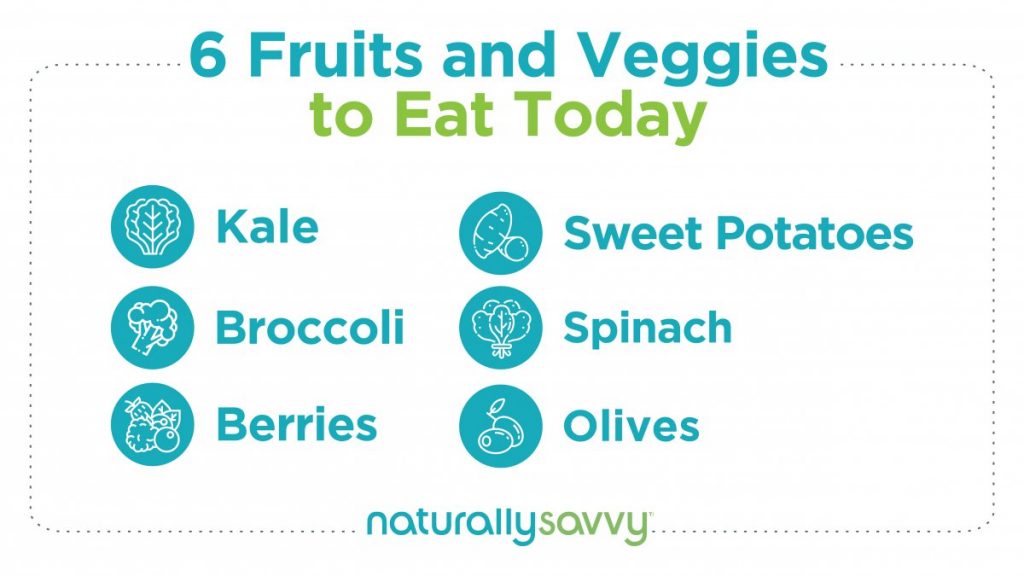
Sweet Potatoes
While we typically only gorge ourselves on these gorge-worthy tubers during the holiday season, you can find sweet potatoes available year-round. And they're absolutely worth every bite: sweet potatoes contain large amounts of beta-carotene, which is excellent for your skin (and can help boost immune function). They're a great source of soluble fiber, protein, vitamin C, calcium, and iron, too.
Spinach
Whether you eat spinach raw or cooked (or somewhere in between), you're doing yourself a huge favor. This delicate leafy green is quite the powerhouse. It's a wonderful source of daily iron, bone-strengthening vitamin K, B vitamins including folate, and it's also an excellent source of plant-based omega fatty acids, which play a crucial role in managing inflammation, healthy brain function, and gorgeous, glowing skin.
Olives
Olives are fruit! And while we don't eat them fresh off the tree, we can eat them pickled, or include them in our diets in their most common form: oil. The olive is a stupendous source of healthy monounsaturated fat, which can help us to maintain a healthy weight (yes, fat can do that!). Olives are also loaded with minerals, like magnesium, that can also help to protect our hearts and cardio functions. You're also getting a wide range of powerful plant polyphenols found in olives that may reduce your risk for certain types of cancer.
Bottom Line
Eating a variety of nutrient-dense foods goes a long way for health. Be sure to pick up some of these foods next time you're at the store.
Image: Whole Foods Market
The post The 6 Healthiest Fruits and Vegetables to Eat Today appeared first on NaturallySavvy.com.
]]>The post 5 Tricks to Fall in Love with Whole-Wheat Pasta appeared first on NaturallySavvy.com.
]]>That is all fine and good on paper, but for the many people raised on pasta made with refined flour – also known as white pasta – whole-wheat pasta can be a little jarring to the palate. Although once accustomed to its nutty taste, some find it hard to return to the white stuff; for others, it’s a road just too tough to hoe.
Aversion to whole-wheat pasta is understandable given the earliest commercial incarnations of the product, which could be described as landing somewhere between bitter shoelaces and curls of grainy cardboard. But the pasta industry has really endeavored to revamp their offerings, and many of them are actually … lovely.
For those with traumatic memories of old-school whole-wheat pasta and for others clinging to resistance, there are ways to help. The following tricks can persuade even the most reluctant to succumb to the charms of white pasta’s healthier cousin.
1. Know your brands
Not all whole-wheat pasta is created equal. Good texture is dependent on high-gluten flour, which varies from brand to brand. These brands score well on taste and texture tests: Gia Russa, DeLallo, Garofalo, Barilla, Rustichella d’Abruzzo, and Bionaturae.
To that end, Barilla Plus offers a grain and legume flour blend that includes lentils, chickpeas, egg whites, spelt, barley, flaxseed, oat fiber, and oats. Accompanying a taste found comparable to white pasta, the product boasts boosted protein, soluble fiber, and a nice shot of omega-3s.
2. Cook it correctly
Whole-wheat pasta usually requires more cooking time than regular pasta, but don’t overcook it! Whole-wheat pasta quickly loses its texture if overcooked, so follow package directions carefully. Get your kitchen timer out and use it.
3. Skip the sissy sauces
If you don’t love the nutty taste, don’t use butter sauces or mild cream sauces; the inherent flavor in whole-wheat pasta will wallop delicate accompaniments. But if you must, add some strong-flavored cheese to balance the nuttiness.
4. Go big
That said, whole-wheat pasta loves big flavors. Try using a vibrant tomato sauce, chunky vegetable sauce, or a hearty pesto (a roasted jalapeno added to pesto makes the whole-wheatiness disappear). Think roasted peppers, fennel, capers, anchovies, and olives – strong flavors that can stand their own against the more assertive flavor that’s part and parcel of whole-wheat pasta.
5. Think green(s)
In the same vein, hearty greens – like broccoli rabe, chard, arugula, kale, beet greens, dandelion greens, etc. – work well to balance the nutty flavor. Sauté them with olive oil, salt, pepper, a load of garlic, and a scattering of cheese, and toss with the pasta.
Tip: When shopping, make sure to read the label to ensure you’re getting whole grains. Packages should list “whole [name of grain]” as the first ingredient, or look for the Whole Grain stamp, a yellow postage-size stamp issued by the Whole Grains Council. Be wary of labels that say “made with whole grains,” which can indicate that just a minuscule amount of whole grains were used.
The post 5 Tricks to Fall in Love with Whole-Wheat Pasta appeared first on NaturallySavvy.com.
]]>The post The Importance Of Eye Care For Diabetics appeared first on NaturallySavvy.com.
]]>What is glaucoma and diabetic retinopathy?
Glaucoma is a condition where there is increased pressure in the eye leading to damage of the optic nerve and vision loss. A person with diabetes is almost twice as likely to get glaucoma. Diabetic retinopathy is when damage to the blood vessels in the retina occurs. Both conditions can occur with few warning signs until it is quite advanced. Both of these conditions ultimately can lead to complete blindness. That is why regular eye exams and preventative measures are so important in keeping your eyes healthy.
Why are diabetics more prone to eye problems?
Diabetes is the leading cause of blindness in adults. Elevated sugar levels in the bloodstream can cause damage to the cells in your eyes. Having excess sugar flowing through your bloodstream can act like small shards of glass to your blood vessels. In helping to prevent this, doing what you can to lower your sugar levels and manage your diabetes is extremely important.
What can you do to protect yourself from eye problems?
• Keep good control of your blood sugar levels. This is the single most important preventative step anyone with diabetes can do. Not only will proper monitoring of blood sugar levels reduce your risk of eye diseases but it can also prevent a variety of other complications from occurring as well.
• See an Ophthalmologist (an eye doctor who specializes in eye diseases) or Optometrist for regular checkups including dilated eye exams at least once a year. Early detection is important in helping to reduce further damage to your eyes. If you detect any changes to your sight, consult an eye doctor immediately.
• Keep your blood pressure in a normal range. High blood pressure along with elevated cholesterol levels play a crucial role in the maintenance of eye health.
• Eat a balanced diet with a wide variety of vitamins and minerals. One of the easier ways to do this is to consume foods with a variety of colors. This will also help keep your blood sugar levels in check. Maintaining a balanced diet is one of the easiest ways to ensure good overall health.
Taking the time and effort to manage your diabetes and keeping your blood sugar levels in check is important in reducing your risk of suffering from complications. Making the changes now could also reduce your risk of eye problems in the future. Do yourself a favor and start making these positive changes today, and your eyes will ultimately thank you in the long run.
Susanna Deering has a passion for nutrition and great-tasting food. As a type 1 diabetic, Susanna is deeply aware firsthand how important the right foods are to our diets. Learning to live with diabetes grew Susanna’s passion for nutrition and has inspired her to help others manage their health through nutrition as well.
The post The Importance Of Eye Care For Diabetics appeared first on NaturallySavvy.com.
]]>